
Tag: ideas






















TOP TEN PLANTS THAT RESEMBLE OTHER THINGS
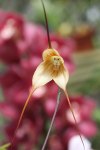
1. Monkey face orchid
2. Moth orchid (am I the only person who thinks this looks more like a bird?)
3. Naked man orchid
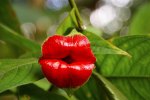
4. Hooker’s Lips
5. Dancing girls orchid
6. Laughing bumblebee orchid
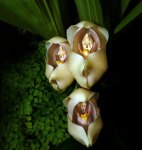
7. Swaddled Babies
8. Snapdragon seed pod
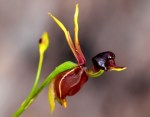
9. Flying duck orchid
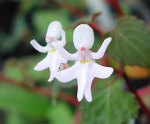
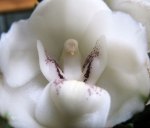
10. Dove orchid




🐦
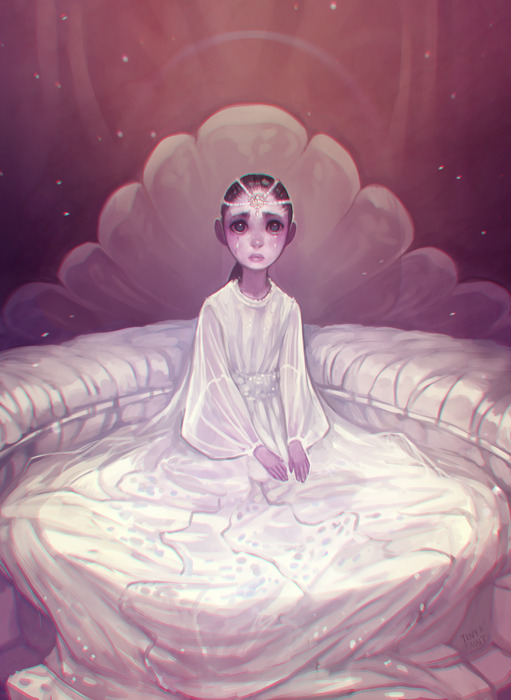
Banter is a young elf princess of the Aoife Woods. She likes to collect dead animals, especially moths and butterflies and birds because she has a special affinity for wings. Their wings. Wings of the dead. Her solving of rubic’s cubes is falsely founded, as her research into the world wide web of spiders has given her insight to complex puzzles and twisters.
—-▸Once again brought to you by our amazingly weird stream convos and @cachinnus ✌
What came to be from yesterday’s instructive character design stream! Thanks everyone for coming, I’ll get better at doing walkthroughs, I promise! ;P
And if you missed out, I’m doing weekly streams every Saturday now! The subject matter will change each every week but will all be related to characters or illustration in one way or another 🙂
For weekly streaming or to view the recorded process of this video check out my Twitch!
Or for frequent streaming updates check out my Twitter! I hold polls sometimes to vote on what will be in next weeks stream!











Posted by Steven Payne to Facebook group British Medieval History:
People in the Middle Ages valued sweet smelling breath and bodies, seeing them as desirable, so there is a great deal of evidence from the period of tooth pastes, powders and deodorants.
Contrary to the typical Hollywood depiction of medieval peasants with blackened and rotting teeth, the average person had teeth which were in fairly good condition, mainly due to the rarity of sugar in the diet. Most medieval people could not afford sugar and those who could used it sparingly.
Archaeological data shows that only 20% of teeth had signs of decay, as opposed to 90% in the early twentieth century. The main dental problem for medieval people was not decay but wear, due to a high content of grit in the main staple, bread.
For deodorants, soap was available for the wealthy, but a variety of herbs and other preparations were also used. Soapwort is a plant native to Europe and Asia which, when soaked in water, produces an effective liquid soap. Mint, cloves and thyme were also extensively used by simply rubbing into the skin, and alum (hydrated potassium aluminium sulphate) was an effective deodorant.
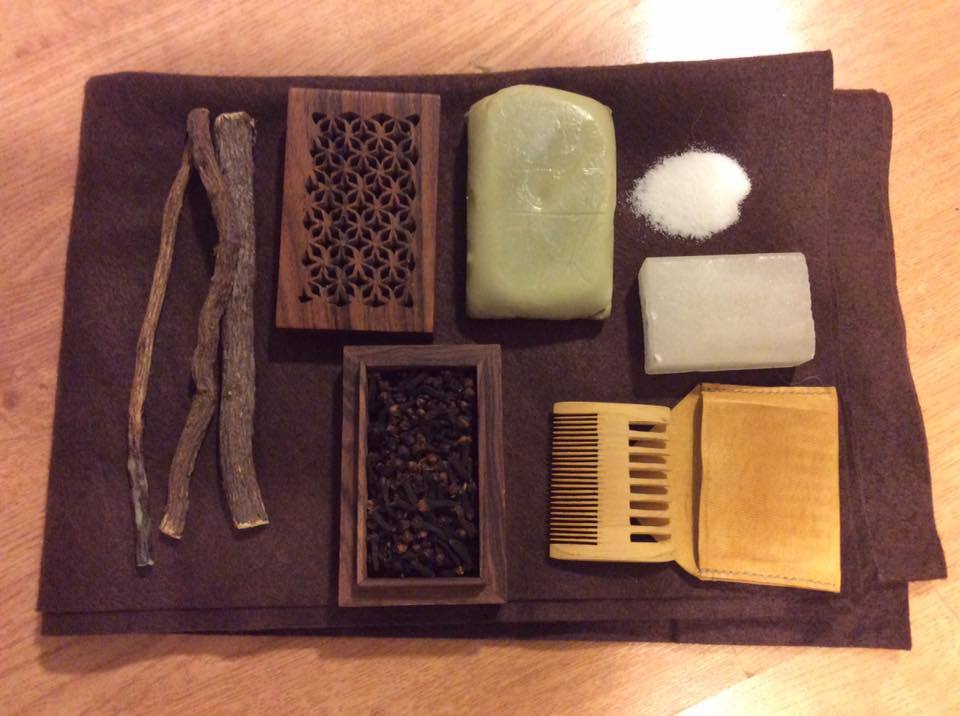
I am trying to keep to 14th century technology on my pilgrimage to Canterbury, which gives me various options when looking at hygiene. In the middle ages people generally cleaned their teeth by rubbing them and their gums with a rough linen cloth, or the chewed end of a stick. There are various recipes for pastes and powders that could be put on the cloth to help clean the teeth, but I have chosen simple salt to whiten them and to aid fresh breath. I will also be using the stick method, and will be taking along a supply of liquorice root sticks for that purpose.
I also have a few blocks of alum, which when rubbed into wet skin has a deodorising effect. Alum, like beeswax, was used extensively in the middle ages for a variety of purposes, also being useful:
* in the purification of drinking water as a flocculant
* as a styptic to stop bleeding from minor cuts
* as a pickling agent to help keep pickles crisp
* as a flame retardant
* as an ingredient in modelling clay
* as an ingredient in cosmetics and skin whiteners
* as an ingredient in some brands of toothpasteThe photograph shows my wash kit including home made olive oil soap, salt for the teeth, a block of deodorising alum, cloves, a boxwood comb made for me by Peter Crossman of Crossman Crafts and some liquorice root sticks, all on a woollen ‘towel’.
Note that the cloves are kept in a ventilated box….this is because insects hate the smell of cloves and so a perforated box will keep them out of my kit and food bag when I am sleeping rough.
TIP: If you steep some cloves to obtain the oil and put the liquid around the doors and windows of your house, it keeps spiders and insects out.Pay attention medieval-ish fantasy authors- filthy people without any cleaning or self care is Not Historical.
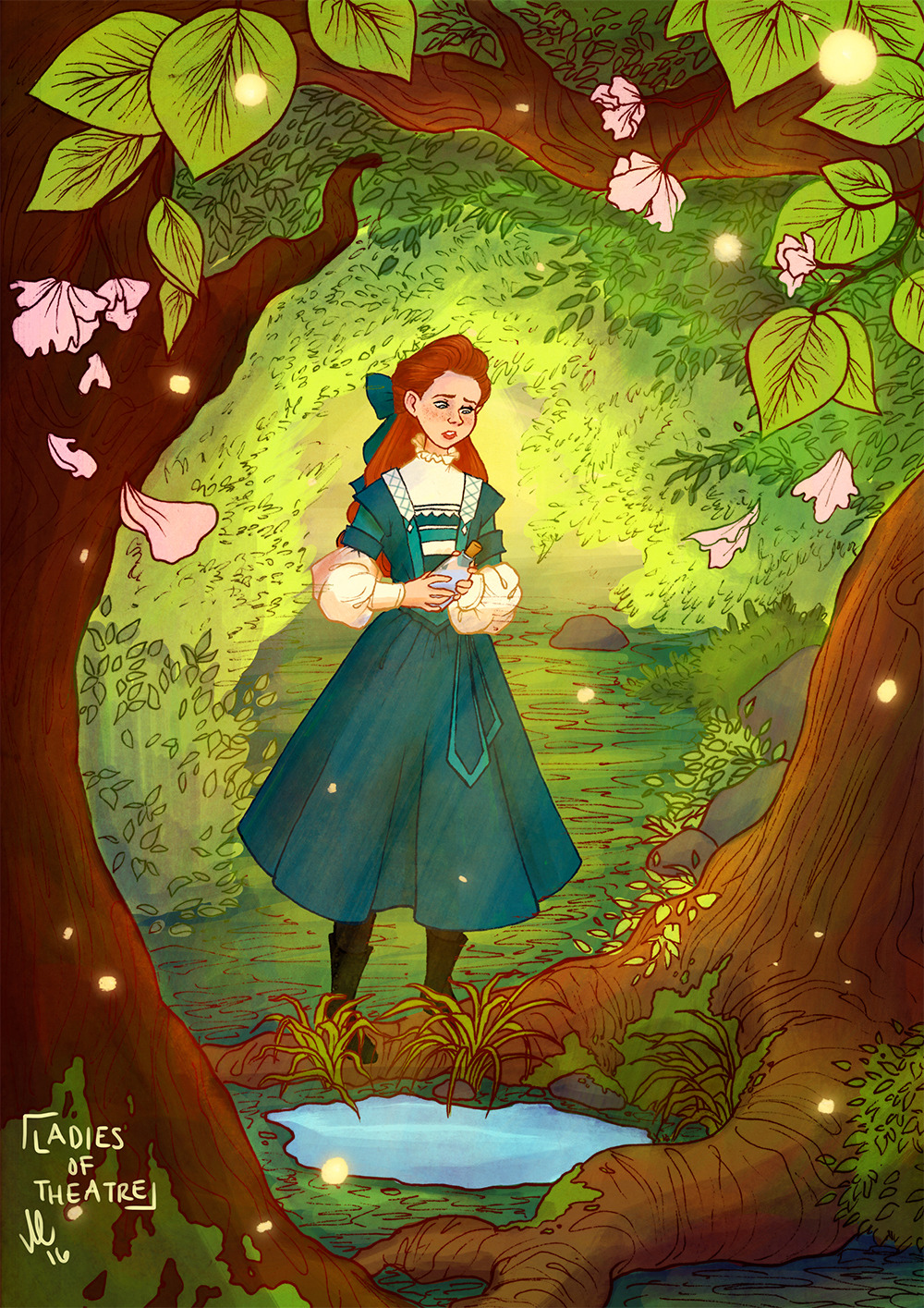
“Does the story end, or never end? Does the secret fade… or is it everlasting?”
Day 117: Winnie Foster (Tuck Everlasting)
Happy happy opening to Tuck Everlasting!
 skysonglark reference